
Kids share a lot: toys, snacks, crayons, hugs—and, sometimes, germs. You can’t control every cough in the classroom or every virus that makes its way through the family. You can, however, give your child simple habits that lower risk and help protect the people around them.
The goal is not a perfectly germ-free childhood. It is a realistic routine your family can return to, even on busy mornings and tired evenings. Start with these seven habits.
1. Make the yearly flu vaccine part of the family routine
The most important step for preventing seasonal flu and reducing the risk of serious complications is annual vaccination. Everyone age 6 months and older should receive a flu vaccine each season, with rare exceptions.
Make it easier to remember by connecting flu vaccination to something already on your fall calendar: the start of school, a well-child visit, a favorite seasonal tradition or the first week of October. Some children ages 6 months through 8 years need two doses at least four weeks apart, so check with their pediatrician early.
2. Learn and practice proper handwashing
Handwashing works best when children use soap and clean running water and scrub all parts of their hands for at least 20 seconds. Remember fingertips, thumbs and between the fingers—not just the palms.
For younger children, use a short song, counting game or silly challenge to make 20 seconds feel manageable. Build handwashing into natural transition points: after coming home, after blowing a nose, after using the bathroom and before eating.
When soap and water aren’t available, use a hand sanitizer containing at least 60% alcohol, with adult supervision for young children. Keep sanitizer out of children’s reach when it is not being used.
3. Teach the “elbow shield” for coughs and sneezes
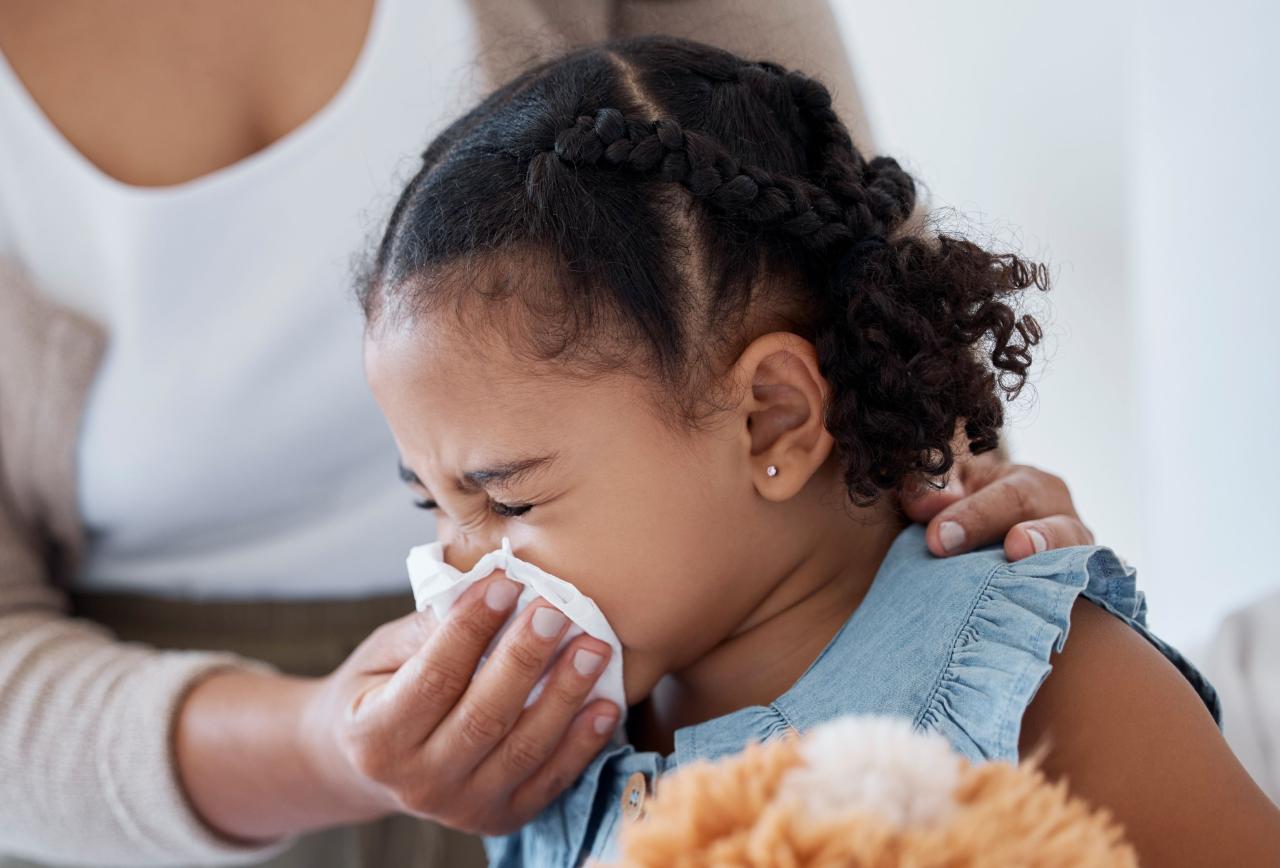
Show your child how to cough or sneeze into a tissue or the inside of their elbow rather than their hands. Throw used tissues away and wash hands afterward.
Children will forget sometimes—that is part of learning. A quick, neutral reminder works better than turning every sneeze into a big correction. You can also model the habit yourself; kids notice more than we think.
4. Help hands stay away from eyes, noses and mouths
Respiratory viruses can spread when germs on the hands reach the eyes, nose or mouth. “Don’t touch your face” is difficult advice for any age, so give children something more concrete to do. Offer a tissue for an itchy nose, keep hair out of their eyes and remind them to wash their hands before eating.
This will never be perfect. The aim is fewer opportunities for germs to get in—not a hands-off-face streak worthy of a trophy.
5. Give indoor air a little more attention
Respiratory viruses spread more easily in crowded indoor spaces with limited airflow. When it is practical and safe, open windows or doors, use exhaust fans and spend time outdoors. At home, replace heating and cooling system filters as recommended and consider using a properly sized portable air cleaner in frequently used rooms.
Cleaner air is an extra layer of protection, especially when illness is circulating or family members are gathering indoors.
6. Disinfect the high-touch spots and leave the rest
You don’t need to disinfect every toy after every play session. Focus routine cleaning on frequently touched surfaces such as doorknobs, light switches, faucets, shared devices and countertops. A household cleaner containing soap or detergent removes germs and dirt from surfaces.
Avoid sharing cups, utensils or toothbrushes, and wash commonly handled items when someone in the home is sick. A short, repeatable reset is more useful than an exhausting deep clean your family can’t maintain.
7. Make staying home when sick part of caring for others
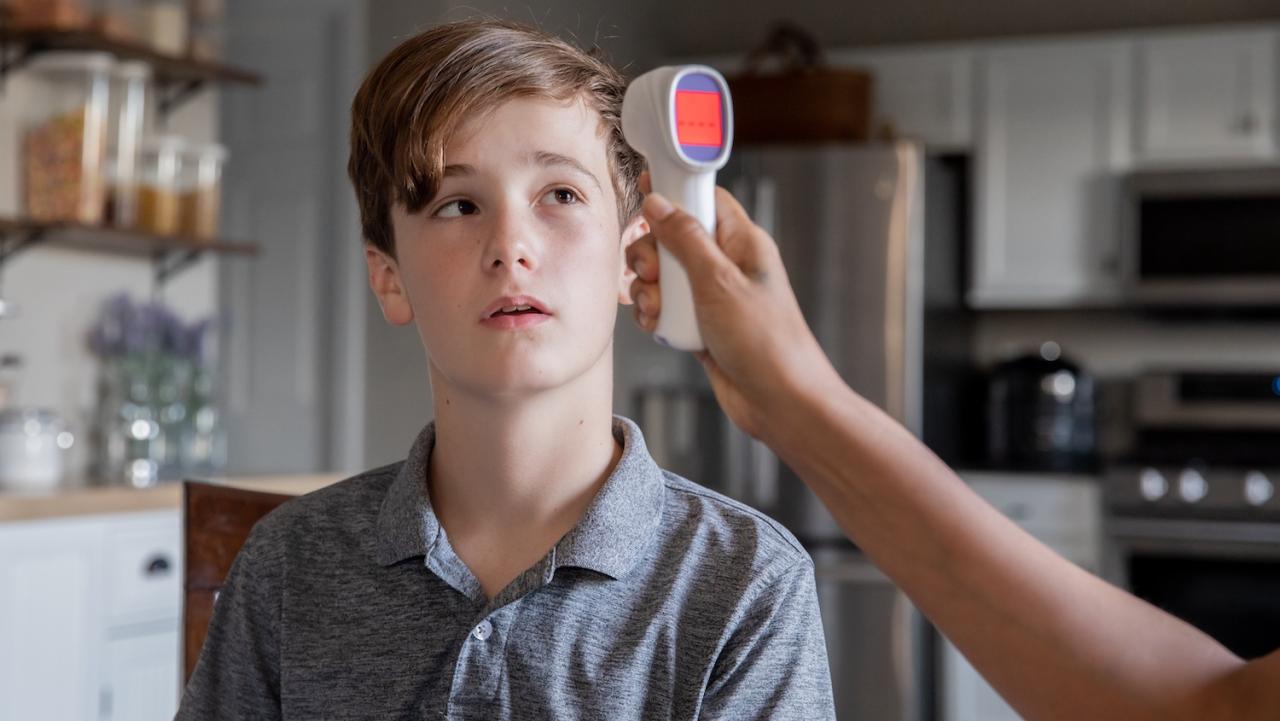
Children with respiratory symptoms should stay home and away from others until their symptoms are improving overall and they have been fever-free for at least 24 hours without fever-reducing medicine. Follow current school or childcare policies and any guidance from your child’s healthcare professional.
Once your child returns to normal activities, use added precautions for the next several days when possible: extra hand hygiene, cleaner air, some distance from people at high risk and a well-fitting mask for a child who can safely and consistently wear one.
Framing rest as kindness can help: Staying home gives the body time to recover and helps keep classmates, teachers, teammates and family members safe and healthy.
Do sleep, food and exercise prevent flu?
Sleep, nourishing foods, hydration and regular movement support your child’s overall health, energy and recovery. They don’t replace flu vaccination or guarantee that a child will avoid infection. Skip products or supplements that promise to “boost” immunity or prevent flu unless your child’s healthcare professional recommends them.
Instead, keep the basics simple: regular meals, water throughout the day, age-appropriate sleep and movement your child enjoys.
Tiny habits add up
Some weeks, your family will remember every water bottle and wash every hand. Other weeks, you will be lucky if everyone leaves the house wearing two matching shoes. Healthy habits don’t have to be perfect to be worth it.
Choose two or three actions that fit naturally into your routine, practice them together and build from there. Small, consistent steps can make respiratory season feel more manageable—and help keep the fun going.
Frequently Asked Questions
What is the best way to prevent flu in children?
Annual flu vaccination is the most important step for reducing a child’s risk of flu and serious complications. Handwashing, covering coughs and sneezes, improving indoor air and staying home when sick add helpful layers of protection.
How long should children wash their hands?
Children should scrub their hands with soap and clean running water for at least 20 seconds, then rinse and dry them. Help younger children clean their fingertips, thumbs, the backs of their hands and between their fingers.
How can I prevent flu from spreading through my family?
Keep sick family members home and, when possible, apart from people who aren’t sick. Improve airflow, wash hands often, cover coughs and sneezes, avoid sharing cups or utensils and clean frequently touched surfaces. Ask a healthcare professional about testing or treatment when appropriate.
A few small steps can make a big difference. Schedule your child’s flu vaccine and head into respiratory season with one more layer of protection.